
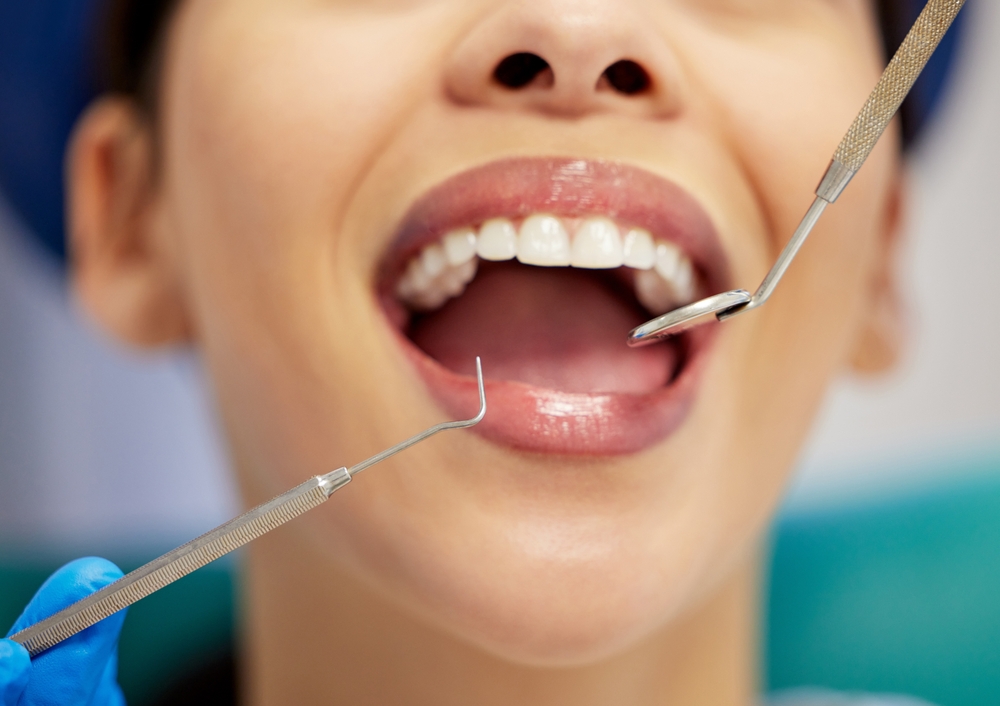
Wisdom tooth extraction in Whitby is a common oral surgery procedure. We may recommend removing your wisdom teeth to help protect your existing teeth and prevent future problems.
What Are Wisdom Teeth?
Your wisdom teeth, also called third molars, are large teeth used for chewing, located right at the back of the mouth. They generally come through during the late teens or early 20s or sometimes later.
Although it’s always nice to have extra teeth, your wisdom teeth aren’t necessary. It’s thought they are vestigial and were used by our ancestors to crush up harder, less refined, raw foods. Nowadays, we tend to eat softer foods that are often cooked, so these teeth are less necessary. People’s jaws are also less developed and less able to accommodate an additional four teeth.
When Is Wisdom Tooth Removal Necessary?
At Margolian Dentistry, we monitor wisdom teeth that have yet to erupt using digital dental x-rays. Our dentist can take a panoramic X-ray, an image showing all the teeth in your upper and lower jaws, including those that haven’t yet erupted.
We can use these images to determine whether your wisdom teeth will erupt normally or cause problems. If there is inadequate room, wisdom teeth can become impacted and try to emerge beneath adjacent teeth or sideways through the gums.
Sometimes they can partially erupt, which can cause problems, including an increased risk of tooth decay and gum disease around these teeth and which can also affect adjacent teeth.
What Happens If I Need Wisdom Teeth Removed?
If our dentist in Oshawa determines your wisdom teeth are best removed or they are already causing problems, we can discuss the treatment with you more fully after your initial exam and diagnostics.
We may recommend sedation dentistry in Ajax to help you relax more fully during treatment and to ensure you remain entirely comfortable. This can be especially useful if you need all four wisdom teeth removed.
Even if you don’t require sedation dentistry, we will ensure that your mouth is fully numb before we begin. The exact procedure used to remove the teeth depends on whether the wisdom teeth are impacted and not visible in the mouth, or if they are partially or fully erupted.
Recovery After Wisdom Teeth Removal
It’s perfectly normal to experience mild discomfort as the anesthetic wears off. You may experience some slight bleeding and swelling.
There is no need to worry; we will provide clear instructions on what to expect and how to manage any side effects. Following these postoperative guidelines closely will help you recover more quickly and comfortably. Some general tips to follow include:
· Get as much rest as you can, especially if you had all four teeth removed using sedation dentistry.
· Use an ice pack applied to the outside of your face to reduce swelling. Wrap the pack in a clean towel and hold it against your face for 20 minutes, then remove it for 20 minutes.
· Follow our instructions on keeping the extraction site clean. We may recommend using an antibacterial mouthwash; if so, rinse your mouth gently. It’s important not to dislodge the protective blood clot that forms in the empty socket.
· Continue to brush and floss your other teeth normally while avoiding the extraction sites.
· If we have prescribed medication, take it as prescribed, as it will help you feel more comfortable and lower the risk of infection.
Wisdom tooth removal is a low-risk procedure, and most people recover well within a few days. If you are ever concerned, however, always remember that we are here to help you and to answer any questions.