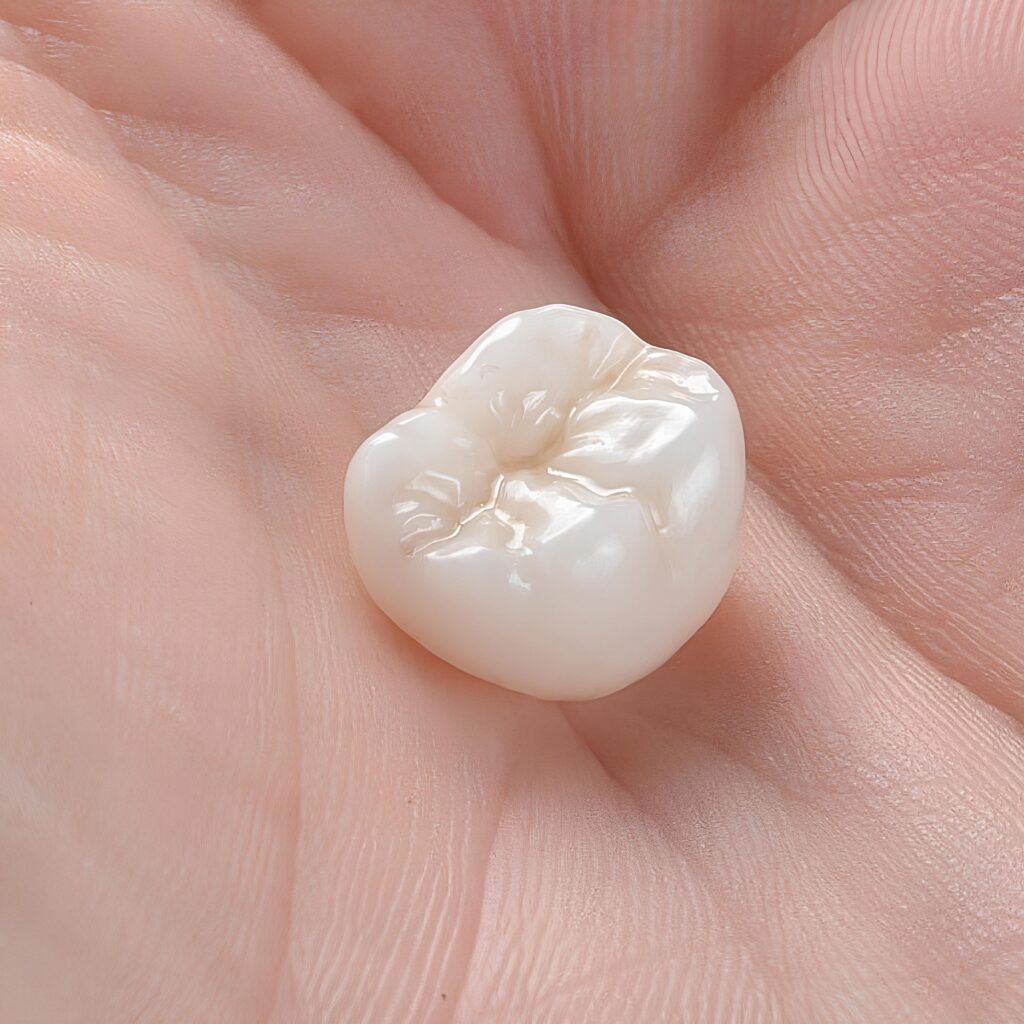
When a tooth becomes weakened, cracked, severely worn, or extensively restored, preserving that tooth becomes a priority. Modern dentistry offers several restorative solutions, but one of the most reliable and versatile options is a dental crown.
Patients throughout Whitby, Oshawa, Ajax, Pickering, Brooklin, Courtice, and Durham Region often wonder whether a damaged tooth can be saved or if extraction is necessary. In many cases, a dental crown can restore both function and appearance while helping patients maintain their natural smile.
What Is a Dental Crown?
A dental crown is a custom-made restoration that covers the visible portion of a tooth above the gumline.
Crowns are designed to:
- Strengthen weakened teeth
- Restore broken teeth
- Improve appearance
- Protect teeth after root canal treatment
- Support large fillings
- Restore proper chewing function
Once placed, the crown functions much like a natural tooth.
When Is a Dental Crown Recommended?
Dentists in the Durham region may recommend crowns for several reasons.
Large Cavities
When decay removes a significant amount of tooth structure, a filling alone may not provide adequate support.
A crown can help protect the remaining tooth and reduce the risk of fracture.
Cracked Teeth
Cracks can compromise the integrity of a tooth and lead to pain when chewing.
A crown can help stabilize the tooth and prevent further damage.
Root Canal Treatment
After a root canal procedure, teeth often become more brittle.
A crown provides additional protection and helps extend the lifespan of the treated tooth.
Worn Teeth
Years of grinding, clenching, or natural wear can significantly reduce tooth structure.
Crowns can restore shape, function, and aesthetics.
Types of Dental Crowns
Several materials are available depending on the location of the tooth and the patient’s goals.
Porcelain Crowns
Porcelain offers excellent aesthetics and is commonly used for front teeth.
Zirconia Crowns
Zirconia combines strength and natural appearance, making it a popular choice for many patients.
The Dental Crown Procedure
The process typically involves two appointments.
First Visit
Your dentist will:
- Examine the tooth
- Remove damaged tissue
- Shape the tooth
- Take impressions or digital scans
- Place a temporary crown
Second Visit
The custom crown is bonded into place and carefully adjusted for comfort and function.
How Long Do Dental Crowns Last?
With proper care, many crowns can last 10 to 15 years or longer.
Longevity depends on:
- Oral hygiene habits
- Bite forces
- Diet
- Regular dental visits
Patients who maintain excellent oral health often enjoy many years of successful function.
Caring for Your Dental Crown
Caring for a crown is similar to caring for a natural tooth.
Recommendations include:
- Brushing twice daily
- Flossing daily
- Avoiding chewing hard objects
- Attending regular dental examinations
Routine maintenance helps maximize the lifespan of the restoration.
Crown vs. Extraction
Whenever possible, preserving a natural tooth is typically preferable to extraction.
Saving a tooth with a crown can help:
- Maintain proper chewing function
- Preserve jawbone support
- Prevent neighboring teeth from shifting
- Maintain natural appearance
Why Whitby and Oshawa Patients Choose Dental Crowns
Dental crowns remain one of the most effective restorative treatments available.
Patients appreciate that crowns can:
- Restore damaged teeth
- Improve aesthetics
- Enhance comfort
- Preserve natural tooth structure
- Support long-term oral health
For patients seeking restorative dentistry in Whitby, crowns often provide a durable and attractive solution.
Protecting Your Smile
If you have a cracked tooth, large filling, or damaged restoration, early treatment may help prevent more extensive problems. A consultation with a Whitby dentist can determine whether a dental crown is the best option for protecting and restoring your smile.